Saturday, October 31, 2026
Maya Wiley: the enduring influence of white ethno-Christian nationalism (video from the 2026 National Convention of the Freedom From Religion Foundation)
Saturday, October 10, 2026
Tuesday, August 11, 2026
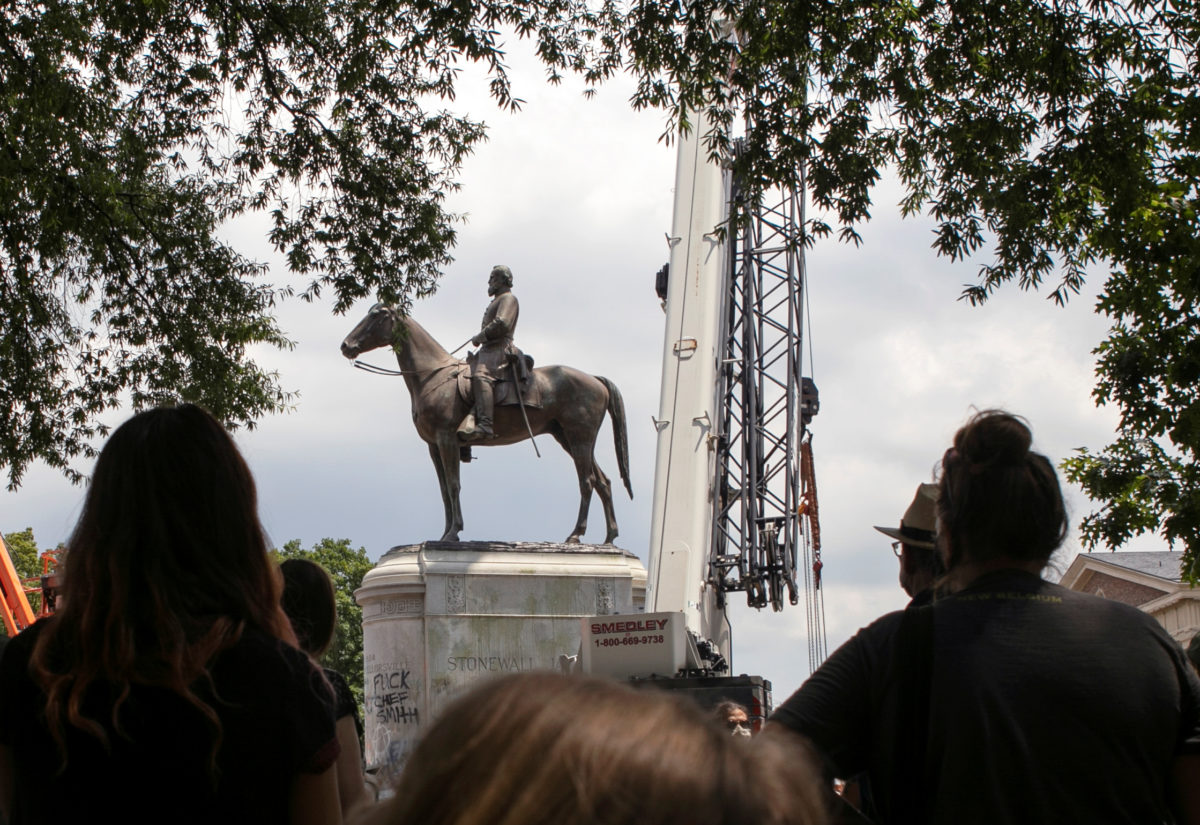
Judge orders Virginia county to replace Confederate names it restored to schools in 2024 | PBS News
Confederate army officers' names are "vestiges" of Shenandoah County's segregationist history that required separate schools for Black and white students.
"The Confederate names were restored with complete awareness of their historic legacy and ongoing discriminatory impact," Urbanski wrote…
Sunday, June 21, 2026
Voices of the Jim Crow South (1965) | Restored and Colorized
Wednesday, May 20, 2026
Saturday, February 21, 2026
History Minute (100): A literacy test to vote
See here an example of a literacy test used in 1960 in the state of Louisiana: https://www.treeoflogic.com/literacy_test.htm
And here’s what Alabama used in 1965: https://secure.splcenter.org/page/67431/survey/1?locale=en-US
How well did you do on the tests?
Friday, February 20, 2026
History Minute (099): Who or What is Jim Crow?
Many Jim Crow laws focused on segregating Blacks from Whites in schools, restaurants, rail cars, libraries, public parks, recreation centers, playgrounds, and businesses — such that they never would come into contact with one another. Others prohibited marriages or intimate relationships between White people and any non-White.
Here are some examples from a variety of states, showing the extremes states went to:
- Restaurants must provide separate rooms and separate entrances.
- Public facilities must provide separate bathrooms and drinking fountains, clearly marked for White or Black patrons.
- Separate schools must be established. Schools for Blacks must be at least a mile away from schools for Whites. If there are not enough Black students to provide a separate school, local officials were left to figure out some solution.
- Marriage between Whites and non-Whites (i.e., Black, Indian, Asian, etc.) were prohibited, and any that existed were declared void.
- Courtships of mixed races were punishable by heavy fines and jail time. Any person born to a mixed race couple was prohibited from marrying anyone. Blacks and Whites cannot live in the same home. Distribution of any printed matter in support of mixed race relationships was punishable by fine and jail time.
- Building permits for non-Whites in any area primarily inhabited by Whites was prohibited. A home or property that was “covenanted” could never be sold to non-Whites.
- Black medical students (physicians, nurses) could not take classes at public hospitals.
- Universities and colleges could only accept Black students if the state’s own college for Black students had no comparable course and the school’s governing board approved.
- Voting:
- Literacy tests: In some cases required only of Blacks; in other cases separate easier tests given to Whites than those for Blacks.
- One state law declared that no Chinese native would ever be allowed to vote. The races of all candidates were to be printed on the ballots.
- Voters must pay a tax at the polls to be allowed to cast a ballot. $1.75 was paid by a Black voter in 1945, equal to over $36 today — money that poor people could ill afford to pay.
https://en.wikipedia.org/wiki/List_of_Jim_Crow_law_examples_by_state
Thursday, February 19, 2026
History Minute (098): Plessy v. Ferguson establishes "separate but equal"
At trial, Plessy’s attorneys argued that Judge Ferguson should dismiss the charges because the Act was unconstitutional under the 13th and 14th Amendments. Ferguson did not do so.
When the case made it to the United States Supreme Court, the justices ruled 7 to 1 against Plessy, reasoning that the Amendments called for equal legal treatment regardless of race, but that they did not require the elimination of distinctions based upon color. They also disagreed with Plessy’s lawyers that the Louisiana law implied Blacks were inferior.
This ruling established the practice of “separate but equal” — which prevailed for fifty years — and legitimized Jim Crow laws enforcing racial segregation in the South.
Only one justice dissented — John Harlan. He found that the law should not create a caste system, and that upholding the law would perpetuate discrimination.
Read More:
Sunday, August 17, 2025
Evangelicals are helping destroy civil rights - Kyle Steinberg: Freethought Today
Wednesday, June 18, 2025
Heather McGhee on Trump’s Wars on DEI and Immigration (Al Franken podcast)
We also discuss the appalling ICE raids in Los Angeles and around the country and the economic and moral impact of the war on immigrants. Heather sees many parallels between this and the disgusting actions of segregationists, who chose to fill in and close public pools rather than let everybody have access to them.
Read more about Heather: https://heathermcghee.com/
Sunday, March 9, 2025
Tuesday, May 28, 2024
Republican Tim Scott falsely claims Biden policy resegregates public schools | US elections 2024 | The Guardian
Friday, May 24, 2024
The Legacy of Segregation Academies — ProPublica
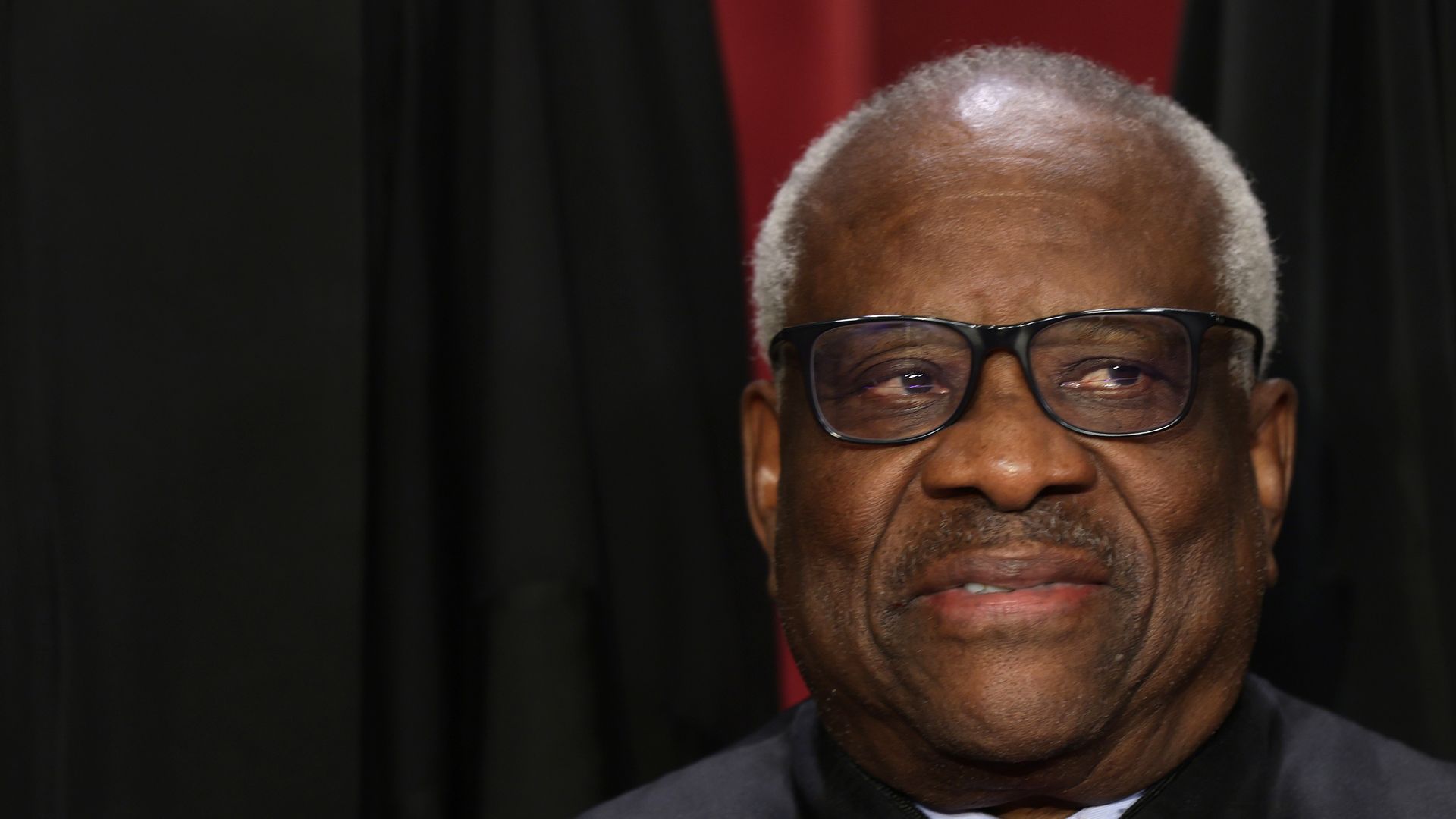
Clarence Thomas attacks Brown v. Board ruling in South Carolina voting map opinion
Monday, January 15, 2024
Opinion | The Miseducation of Nikki Haley - The New York Times
Monday, September 4, 2023
Harvard's Drew Gilpin Faust says history should make us uncomfortable (Terry Gross; Fresh Air podcast)
Faust points to that moment as her "first awakening to the possibility of activism." She wrote a letter to President Dwight D. Eisenhower to urge that schools be integrated, and later, as an adult, found that letter in the Eisenhower library.
"I am proud of that letter," she says. "In some ways, I feel that I need to continually try to live up to that idealistic little girl. ... I can continue to see that as an inspiration and a model and continue to bear out what she represented."
Interview:
Wednesday, March 29, 2023
Florida district reviewing film 'Ruby Bridges' after parent complaint - The Washington Post
Saturday, November 12, 2022
'Half American' explores how Black WWII servicemen were treated better abroad (Dave Davies; Fresh Air podcast)
"There was no strategic or tactical reason to do it," Delmont says. "The only reason the military maintained this racial segregation during the war was to appease white racial prejudice."
Black servicemen traveling to the Jim Crow South for training would pull down the shades on their train cars so that white townspeople wouldn't throw rocks at the windows. Racial epithets and threats of violence were part of daily life on Southern military bases, and off base, African Americans were restricted to the "Black" sections of town.
"If they stepped even a foot outside of that, they were threatened or attacked by white police or sheriffs," Delmont says...
Interview: