Showing posts with label invasive species. Show all posts
Showing posts with label invasive species. Show all posts
Friday, July 31, 2026
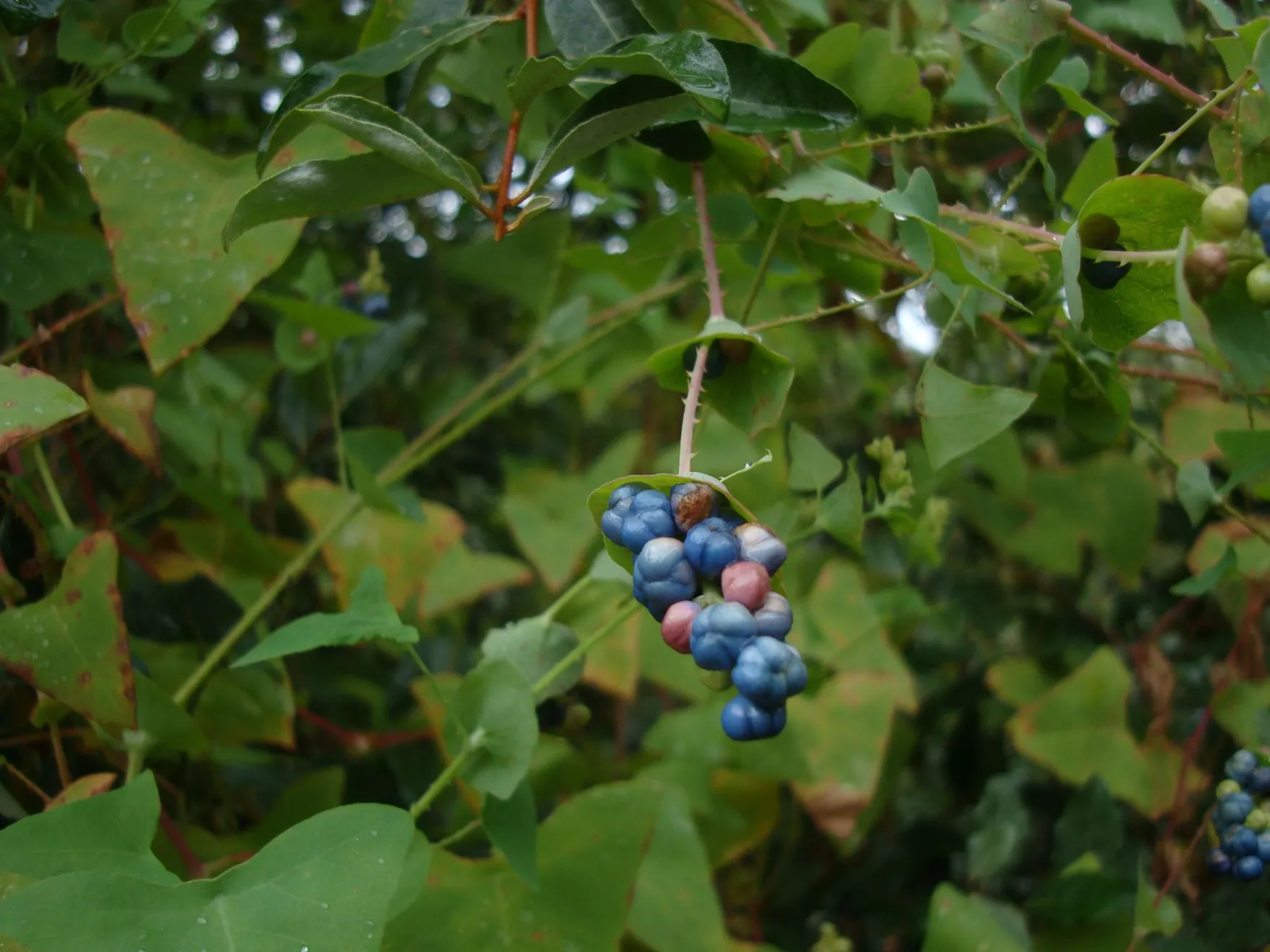
Invasive mile-a-minute weed confirmed in Jackson County
The mile-a-minute weed is an herbaceous vine with several key features that make identification easier. It has slim stems and completely triangular leaves with straight sides and sharp points on the underside...

Thursday, July 30, 2026
The Great Lakes’ most emblematic fish could be consigned to history books
A delicacy for centuries and a key part of Native tradition, the lake whitefish has seen its population crash. Researchers know why … but stopping it is another matter…
https://www.theguardian.com/us-news/2026/jul/29/lake-whitefish-great-lakes-invasive-mussels

Thursday, November 13, 2025
California governor calls Trump ‘an invasive species’ at Cop30 climate talks
On Tuesday, it emerged that Trump has drawn up plans to open up the coast of California for oil and gas drilling, a move that Newsom said would happen "over my dead body, full stop. He said he wants to open up the coast of California, but he doesn't want oil-drilling rigs off the coast of Florida, not across the street from Mar-a-Lago. He's silent on that. But it's not going to happen. It's dead on arrival."
Accusing Trump of an assault upon the climate and on democracy, Newsom said of the president: "He's an invasive species, he's a wrecking-ball president. He's trying to roll back progress of the last century. He's trying to recreate the 19th century. He's doubling down on stupid."…
https://www.theguardian.com/environment/2025/nov/11/gavin-newsom-trump-cop30

Tuesday, September 3, 2024
Fewer bees and other pollinating insects lead to shrinking crops
Many plants, from crops to carnations, cannot bear fruit or reproduce without bees, beetles, butterflies and other insects to pollinate them. But the population of insect pollinators is dropping in the U.S., due in part to pesticides, climate change, invasive plants and diminished habitats. Rachel Mallinger, assistant professor of entomology at the University of Florida, explains why these insects are in decline and how homeowners can create yards and gardens that are good for pollinators...

Saturday, September 23, 2023
From cage-free chicks to puppy mills and Avian flu: Republicans are trying to roll back animal protections
The Republican-led Ending Agricultural Trade Suppression, or Eats, Act aims to end the authority of states and localities to set animal welfare and food safety standards. If passed, it could also jeopardize more than 1,000 state and local health and safety laws that set food-quality requirements and stop the spread of invasive species and zoonotic diseases like avian flu. Experts say that legislation this extreme would ordinarily be unlikely to pass, but its supporters are pushing the Eats Act as part of this year's critical package of agriculture policies known as the farm bill, so there's a greater possibility of it becoming law...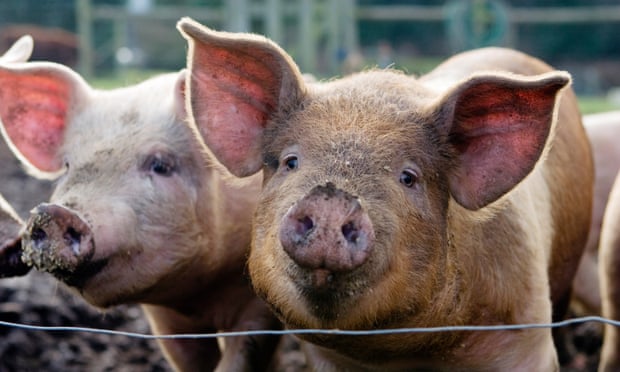
Tuesday, March 21, 2023
Giant African snails intercepted at Detroit Metropolitan Airport : NPR
While they appear harmless, these land snails — usually the size of an average adult fist — are considered voracious pests that can feast on more than 500 types of plants and produce, including peanuts, beans and cucumbers. When those are not available, they will consume flowers, tree bark and even the paint and stucco off of houses…

Saturday, February 11, 2023
Cacti replacing snow on Swiss mountainsides due to global heating
Invasive species proliferating in Valais is encroaching on natural reserves and posing a biodiversity threat…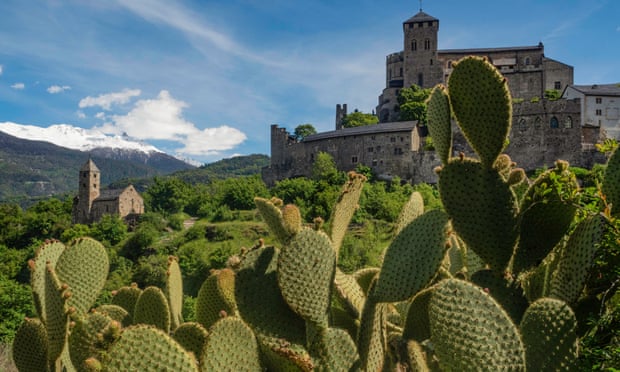
Tuesday, May 5, 2020
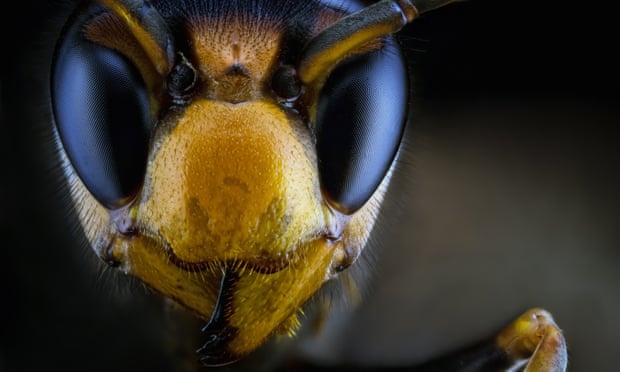
'Murder hornets' in Washington state threaten bees and whip up media swarm
Researchers and citizens in Washington state are on a careful hunt for invasive “murder hornets”, after the insect made its first appearance in the US.
The Asian giant hornet is the world’s largest and can kill humans. But it is most dangerous for the European honeybee, which is defenseless in the face of the hornet’s spiky mandibles, long stinger and potent venom....
https://www.theguardian.com/environment/2020/may/02/murder-hornets-washington-state-bees-twitter
https://www.theguardian.com/environment/2020/may/02/murder-hornets-washington-state-bees-twitter
Saturday, August 11, 2018
An Invasive New Tick Is Spreading in the U.S. - The New York Times
The Asian long-horned tick, reported in New York's suburbs and as far west as Arkansas, can carry lethal diseases. But no infected specimens have yet been found here. ....
https://www.nytimes.com/2018/08/06/health/asian-long-horned-tick.html

https://www.nytimes.com/2018/08/06/health/asian-long-horned-tick.html
Friday, June 22, 2018
New sighting of plant that causes blindness and burns - CBS News
Giant hogweed, an invasive plant that can cause third-degree burns and blindness, has been spotted in more than 10 states ....
https://www.cbsnews.com/news/giant-hogweed-plant-causes-blindness-third-degree-burns-discovered-in-virginia-other-states/

https://www.cbsnews.com/news/giant-hogweed-plant-causes-blindness-third-degree-burns-discovered-in-virginia-other-states/
Subscribe to:
Posts (Atom)

Click Older Posts above to see more.