
Showing posts with label Depression. Show all posts
Showing posts with label Depression. Show all posts
Thursday, May 21, 2026
Immunotherapy could be used to treat depression, early trial suggests
Immunotherapy could be used to treat depression among patients who have not responded to conventional antidepressants, according to the results of an early clinical trial...


Monday, April 20, 2026
Tuesday, September 2, 2025
SSRIs and mass shootings what the science says - The Washington Post
Robert F. Kennedy Jr. suggested that psychiatric drugs may have played a role in the Minnesota Catholic school shooting — a statement widely criticized as unsupported by science...

Wednesday, August 20, 2025
Social media still pushing suicide-related content to teens despite new UK safety laws | Internet safety | The Guardian
Researchers who set up dummy accounts as 15-year-old girl were bombarded with self-harm and depression posts…

Monday, February 3, 2025
Friday, December 6, 2024
Lead in gasoline tied to millions of excess mental health disorders: study
Exposure to car exhaust from leaded gas, which was phased out in 1996, resulted in anxiety, depression and ADHD symptoms in generations of people, researchers found...

Sunday, September 1, 2024
Mind the Science: How the Wellness Industry is Scamming Us (with Dr. Jonathan Stea)(Seth Andrews; The Thinking Atheist podcast)
Dr. Jonathan Stea is a psychologist and author of the new book, Mind the Science:
Saving Your Mental Health from the Wellness Industry. He joins us to talk about everything from detox to depression.


Interview:


Sunday, June 16, 2024
Unveiling Mormon Secrets with Dr. John Dehlin - Part 2
In the latest episode of the Cross Examiner podcast, we delve into the fascinating journey of Dr. John Dehlin, host of the Mormon Stories podcast. ( / mormonstories ) (Part 1 was here.)
Dr. Dehlin, an ex-Mormon, has dedicated his career to exposing the truths behind Mormon practices and helping others navigate their own faith crises. This episode is a continuation of our in-depth conversation with him, exploring the psychological and social impacts of religious indoctrination, the rise of Christian nationalism, and the role of misinformation.
Dr. Dehlin's journey is both compelling and relatable. Raised as a sixth-generation Mormon, he was taught to obey and follow the church's teachings without question. However, cracks began to form in his faith as he encountered various inconsistencies and ethical concerns, particularly during his mission in Guatemala. His experiences there, coupled with the rise of the internet and the availability of information, led him to question the very foundations of his beliefs.
One of the most striking aspects of Dr. Dehlin's story is the concept of the "shelf." In the Mormon and post-Mormon world, individuals are encouraged to put doubts and questions on a metaphorical shelf, trusting that answers will come in time. For Dr. Dehlin, the shelf eventually became too heavy to bear, leading to a profound crisis of faith. This journey of questioning and seeking truth is something many can relate to, regardless of their religious background.
The episode also delves into the broader implications of religious indoctrination and the rise of secular support systems. Dr. Dehlin discusses the importance of organizations like Recovering from Religion and the Secular Therapy Project, which provide crucial support for individuals leaving high-demand religions. These organizations offer a safe space for people to explore their doubts and find a community that understands their struggles.
One of the most powerful moments in the episode is when Dr. Dehlin talks about the psychological impact of leaving a high-demand religion. He shares how many individuals experience anxiety, depression, and even suicidal thoughts as they grapple with the loss of their faith and the subsequent social and familial fallout. This highlights the critical need for mental health support and resources for those undergoing such transitions.
Dr. Dehlin's work with the Mormon Stories podcast has not only helped countless individuals but also shed light on the broader human experience. As he aptly puts it, "The Mormon story is the human story." By sharing personal narratives, his podcast fosters empathy and understanding, encouraging listeners to see the common threads that connect us all.
For those interested in exploring these themes further, we highly recommend tuning into this episode. Dr. Dehlin's insights and experiences offer a valuable perspective on the intersection of religion, truth, and personal transformation. Whether you're grappling with your own faith or simply curious about the human condition, this episode is sure to resonate.
Don't miss out on this enlightening conversation. Listen to the full episode now and join us on this journey of discovery and understanding.
Dr. Dehlin, an ex-Mormon, has dedicated his career to exposing the truths behind Mormon practices and helping others navigate their own faith crises. This episode is a continuation of our in-depth conversation with him, exploring the psychological and social impacts of religious indoctrination, the rise of Christian nationalism, and the role of misinformation.
Dr. Dehlin's journey is both compelling and relatable. Raised as a sixth-generation Mormon, he was taught to obey and follow the church's teachings without question. However, cracks began to form in his faith as he encountered various inconsistencies and ethical concerns, particularly during his mission in Guatemala. His experiences there, coupled with the rise of the internet and the availability of information, led him to question the very foundations of his beliefs.
One of the most striking aspects of Dr. Dehlin's story is the concept of the "shelf." In the Mormon and post-Mormon world, individuals are encouraged to put doubts and questions on a metaphorical shelf, trusting that answers will come in time. For Dr. Dehlin, the shelf eventually became too heavy to bear, leading to a profound crisis of faith. This journey of questioning and seeking truth is something many can relate to, regardless of their religious background.
The episode also delves into the broader implications of religious indoctrination and the rise of secular support systems. Dr. Dehlin discusses the importance of organizations like Recovering from Religion and the Secular Therapy Project, which provide crucial support for individuals leaving high-demand religions. These organizations offer a safe space for people to explore their doubts and find a community that understands their struggles.
One of the most powerful moments in the episode is when Dr. Dehlin talks about the psychological impact of leaving a high-demand religion. He shares how many individuals experience anxiety, depression, and even suicidal thoughts as they grapple with the loss of their faith and the subsequent social and familial fallout. This highlights the critical need for mental health support and resources for those undergoing such transitions.
Dr. Dehlin's work with the Mormon Stories podcast has not only helped countless individuals but also shed light on the broader human experience. As he aptly puts it, "The Mormon story is the human story." By sharing personal narratives, his podcast fosters empathy and understanding, encouraging listeners to see the common threads that connect us all.
For those interested in exploring these themes further, we highly recommend tuning into this episode. Dr. Dehlin's insights and experiences offer a valuable perspective on the intersection of religion, truth, and personal transformation. Whether you're grappling with your own faith or simply curious about the human condition, this episode is sure to resonate.
Don't miss out on this enlightening conversation. Listen to the full episode now and join us on this journey of discovery and understanding.
Interview:
https://youtu.be/9jyuMNzRCMc?si=kVxxjVSarmz8oiW-
Chapters:
Chapters:
(00:00) Introduction
(03:00) Dr. John Dehlin's Background
(10:00) Questioning Faith and "The Shelf"
(20:00) Mission Experiences and Ethical Concerns
(30:00) The Role of the Internet and Information
(40:00) Psychological Impact and Counseling
(50:00) The Rise of the Nones and Decline in Membership
(01:00:00) Exposing Harmful Practices
(01:10:00) The Importance of Secular Support Systems
(01:20:00) Collaboration with Other Ex-Religious Communities
(01:30:00) Closing Thoughts and Future Outlook
Saturday, February 24, 2024
The Finnish miracle: how the country halved its suicide rate – and saved countless lives
It is now often known as the 'world's happiest country', but Finland used to have one of the highest suicide rates in the world. From alcohol to antidepressants, here are the changes that made the difference…

Saturday, December 2, 2023
Sunday, August 6, 2023
At least half of all people likely to develop from mental health disorders before 75: study | The Hill
"The two most prevalent disorders were alcohol use disorder and major depressive disorder for male respondents and major depressive disorder and specific phobia for female respondents," the study said…https://thehill.com/policy/healthcare/mental-health/4139267-at-least-half-develop-mental-health-disorders-before-75/

Saturday, January 21, 2023
Transgender teens receiving hormone treatment see improvements to their mental health - Scimex
Transgender teenagers who receive gender-affirming hormone treatments are more comfortable with their appearance and experience fewer depression and anxiety symptoms, according to a US study. The researchers recruited 315 transgender and nonbinary people aged 12-20 receiving testosterone or estradiol, and asked them to report how they felt their appearance matched their gender identity, their overall life satisfaction and answer questions about their mental health over a period of two years. The researchers say depression and anxiety levels dropped over the study period and appearance congruence and life satisfaction improved...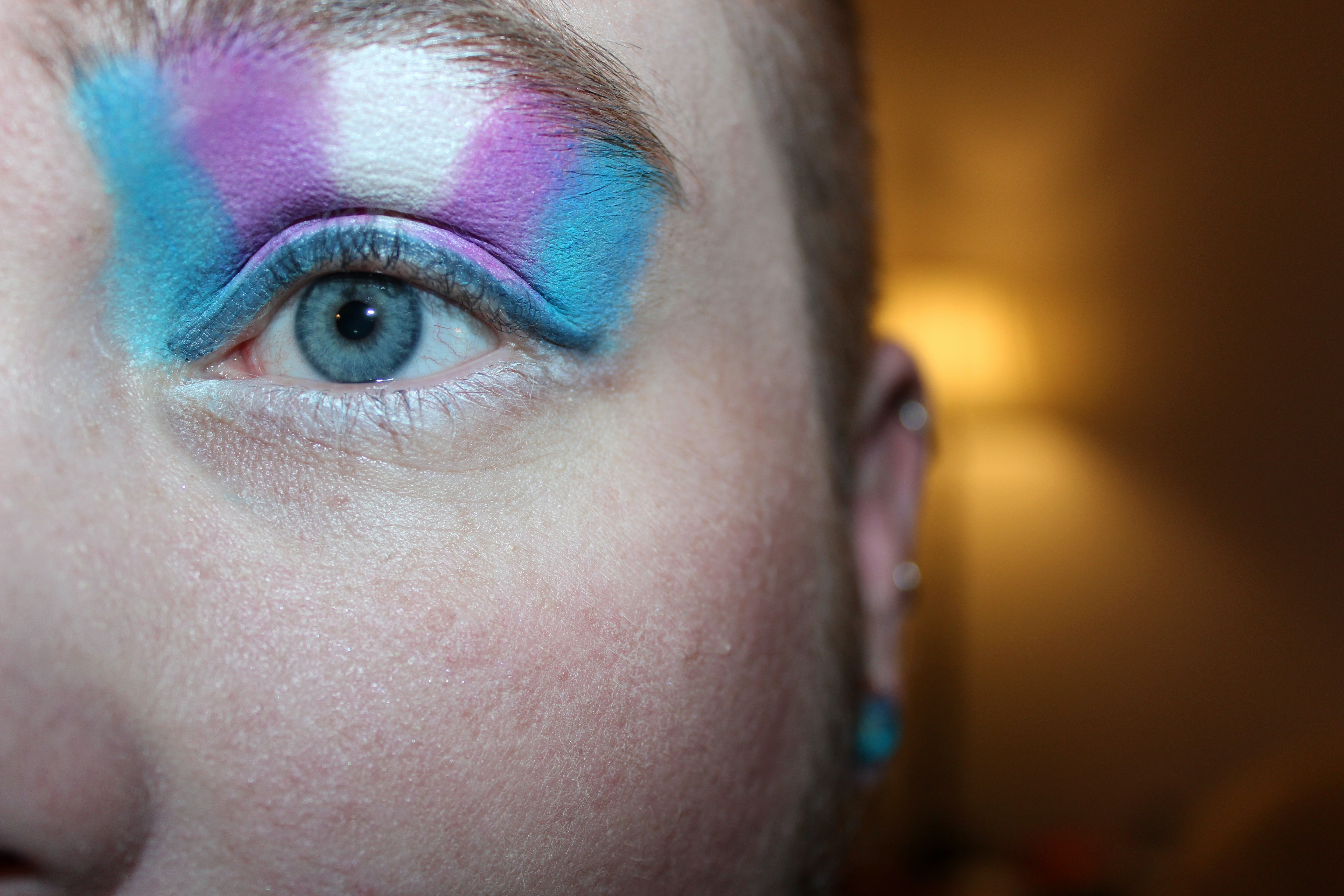
Friday, January 6, 2023
Why Religion is Not the Answer: Rejection, Torture, and Eternal Damnation (Student Essay contest 6th place)
"According to the Trevor Project in 2020, LGBTQ+ youth are more than four times as likely to attempt suicide as their non-LGBTQ+ peers. Rates of depression and drug use are also elevated in this population.

These issues become more pronounced in those who are transgender, of color or disabled. Research conducted by the Family Acceptance Project found that among LGBTQ+ youth, one-third experience parental rejection. Highly religious families were the least likely to be accepting. Those whose families reject them are at a higher risk for mental health issues and major health concerns including HIV.
Rejection in these cases often included alienation, preventing access to support, using religious beliefs to remind their children of damnation and hell, and sending children to clergy or other providers to “change” their LGBTQ+ identity."...
Friday, November 11, 2022
Debunking the vegan myth: The case for a plant-forward omnivorous whole-foods diet (ScienceDirect)
Abstract

Vegan diets are widely promoted as protective against cardiovascular disease (CVD); however, removing all animal foods from a human's diet usually causes unfavorable health consequences. Our hominin ancestors began consuming meat, fish, seafood, and eggs >2 million years ago.
Consequently, humans are genetically adapted to procure nutrients from both plant and animal sources. In contrast, veganism is without evolutionary precedent in Homo sapiens species. Strict adherence to a vegan diet causes predictable deficiencies in nutrients including vitamins B12, B2, D, niacin, iron, iodine, zinc, high-quality proteins, omega-3, and calcium.
Prolonged strict veganism increases risk for bone fractures, sarcopenia, anemia, and depression. A more logical diet is a plant-forward omnivorous eating pattern that emphasizes generous consumption of natural, unprocessed foods predominantly from plants. To balance this diet, modest amounts of wholesome animal foods, such wild-caught fish/seafood, pasture-raised meat and eggs, and fermented unsweetened dairy should be consumed regularly.
Wednesday, November 3, 2021
The pessimistic generation: How grown-ups can grow up and give kids some hope (On Point)
Young people today are dealing with fallout from much more than the pandemic.
"We have a big crisis with our children and our young adults that hasn’t ... been measured well," stress scientist Elissa Epel says. "But we see it happening."
Climate anxiety. Social unrest. Racism. Politics.
An endless stream of negativity on TV, on the radio, on their phones ... everywhere.
"Naturally they’re developing a pretty negative view of their future," Epel adds.
Today, On Point: Kids and pessimism. We hear why it's time for grown-ups to grow up, and give our kids some hope.
Interview:
"We have a big crisis with our children and our young adults that hasn’t ... been measured well," stress scientist Elissa Epel says. "But we see it happening."
Climate anxiety. Social unrest. Racism. Politics.
An endless stream of negativity on TV, on the radio, on their phones ... everywhere.
"Naturally they’re developing a pretty negative view of their future," Epel adds.
Today, On Point: Kids and pessimism. We hear why it's time for grown-ups to grow up, and give our kids some hope.
Interview:
Wednesday, September 15, 2021
Young people experiencing 'widespread' psychological distress over government handling of looming climate crisis, researchers say - ABC News
… 75% of those surveyed said they feel the future is frightening, while 64% said governments are not doing enough to avoid a climate catastrophe…
Tuesday, July 13, 2021
Immigrants report slew of physical and emotional harms from electronic ankle monitors
Immigrants interviewed for the report painted a dire picture of their lives under surveillance: 12 percent considered suicide as a result of being monitored, and 88 percent spoke of mental health issues, trouble sleeping, migraines and depression.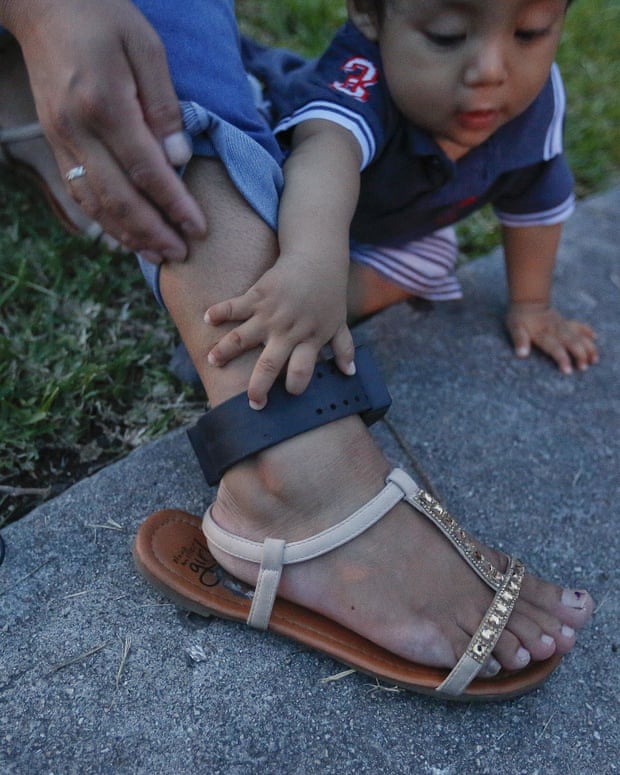
Sunday, October 25, 2020
Small increases in air pollution linked to rise in depression, finds study
Small increases in people’s exposure to air pollution are linked to significant rises in depression and anxiety, according to the first such study of UK adults.
The researchers found that an incremental increase in nitrogen dioxide, largely produced by diesel vehicles, heightened the risk of common mental disorders by 39%. For tiny particle pollution, which comes from burning fuels, and brake and tyre dust, the risk rose by 18%.
https://www.theguardian.com/environment/2020/oct/24/small-increases-in-air-pollution-linked-to-rise-in-depression-finds-study
https://www.theguardian.com/environment/2020/oct/24/small-increases-in-air-pollution-linked-to-rise-in-depression-finds-study
Sunday, August 30, 2020
2020: The Next Great Depression (w/ Richard Wolff ) - YouTube
"We are in the middle of the severest depression, ever. Unemployment is at an all-time high and many people will never work again. Should the government employ many of these unemployed people, as happened the in great depression 100 years ago? Or will they just ignore them?"....
Tuesday, July 7, 2020
Gary Shilling says the stock market could see a 1930s-like decline
Stocks could be poised for a big drop similar to the market’s decline during the Great Depression, according to financial analyst Gary Shilling.
In a CNBC interview, Shilling said the stock market could plunge between 30-40% over the next year as investors realize the economic recovery from the coronavirus recession could take longer than expected.
https://www.cnbc.com/2020/07/06/gary-shilling-says-the-stock-market-could-see-a-1930s-like-decline.html

https://www.cnbc.com/2020/07/06/gary-shilling-says-the-stock-market-could-see-a-1930s-like-decline.html
Subscribe to:
Posts (Atom)

Click Older Posts above to see more.