
Showing posts with label NATO. Show all posts
Showing posts with label NATO. Show all posts
Tuesday, September 22, 2026
European spy chiefs warn Moscow is planning more decisive action against Nato
Exclusive: Intelligence officers say Russian campaign could intensify ‘in months, not years’ – but that panic risks playing into Kremlin psy-ops…

Saturday, September 19, 2026
Polish prime minister warns of Russian 'accidental' attacks : NPR
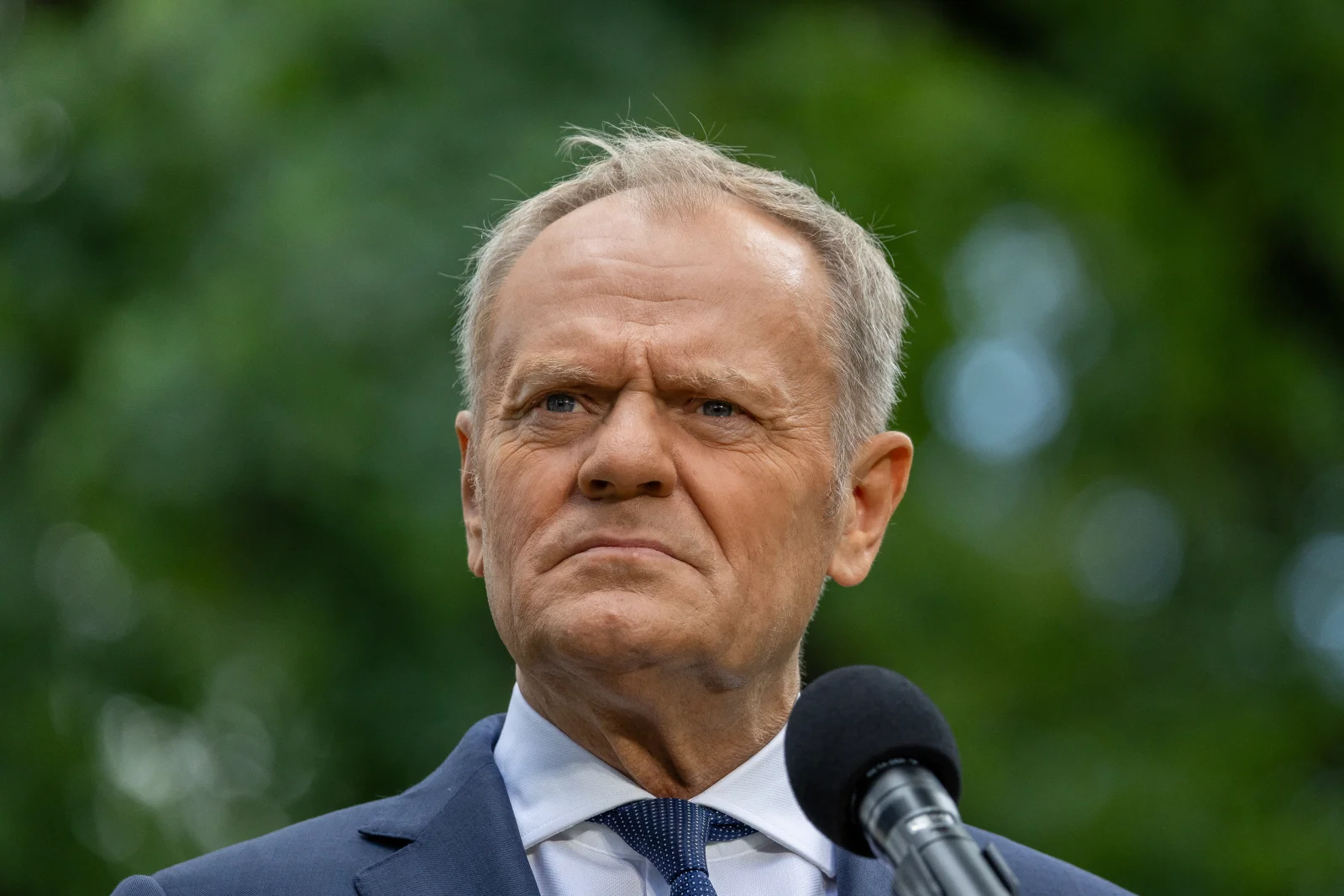
BERLIN — Poland's Prime Minister Donald Tusk warned that Russia is planning strikes on countries supporting Ukraine.
Addressing Polish lawmakers on Thursday, Tusk said Russia intends to send drones or missiles into NATO territory and then claim that these incidents are "accidental."…
https://www.npr.org/2026/09/18/nx-s1-5973265/poland-nato-russia
Wednesday, September 16, 2026
Russian warship fires flares at Danish helicopter as Nato jets shoot down drone over Lithuania
Danish prime minister Mette Frederiksen condemns ‘reckless action from Russia towards Denmark’s military’…

Friday, August 28, 2026
CIA chief used Moscow visit to warn Russia against attacks on NATO allies, helping Iran - POLITICO
John Ratcliffe urged Russia to hold back from striking Baltic nations and to reduce its support to Iran during his brief trip to the Russian capital...
https://www.politico.com/news/2026/08/26/cia-russia-nato-moscow-ratcliffe-01051848
Tuesday, August 18, 2026
Saturday, July 11, 2026
Thursday, July 9, 2026
‘It’s over’: Oil markets back on edge after US and Iran shred ceasefire - POLITICO
Resumed hostilities reversed a monthlong drop in fuel prices...
https://www.politico.com/news/2026/07/08/iran-oil-ceasefire-prices-00990185
Trump declares ceasefire with Iran over during angry broadside at Nato summit
President calls Iranian leadership ‘scum’, rails against alliance, repeats demand for Greenland and threatens Spain…

Trump warns fresh attacks on Iran could come Wednesday night - POLITICO
The president pledged to ramp up attacks on Iran after saying earlier that the ceasefire between Washington and Tehran was “over.”…
https://www.politico.com/news/2026/07/08/trump-iran-new-attacks-nato-00990034
Wednesday, July 8, 2026
Trump again demands Greenland as NATO unveils military projects worth billions to prove its firepower | PBS News
Trump called the semiautonomous island "an important part" for the United States, as he repeated the false claim that it's surrounded by Chinese and Russian ships and said he won't let Greenland be threatened...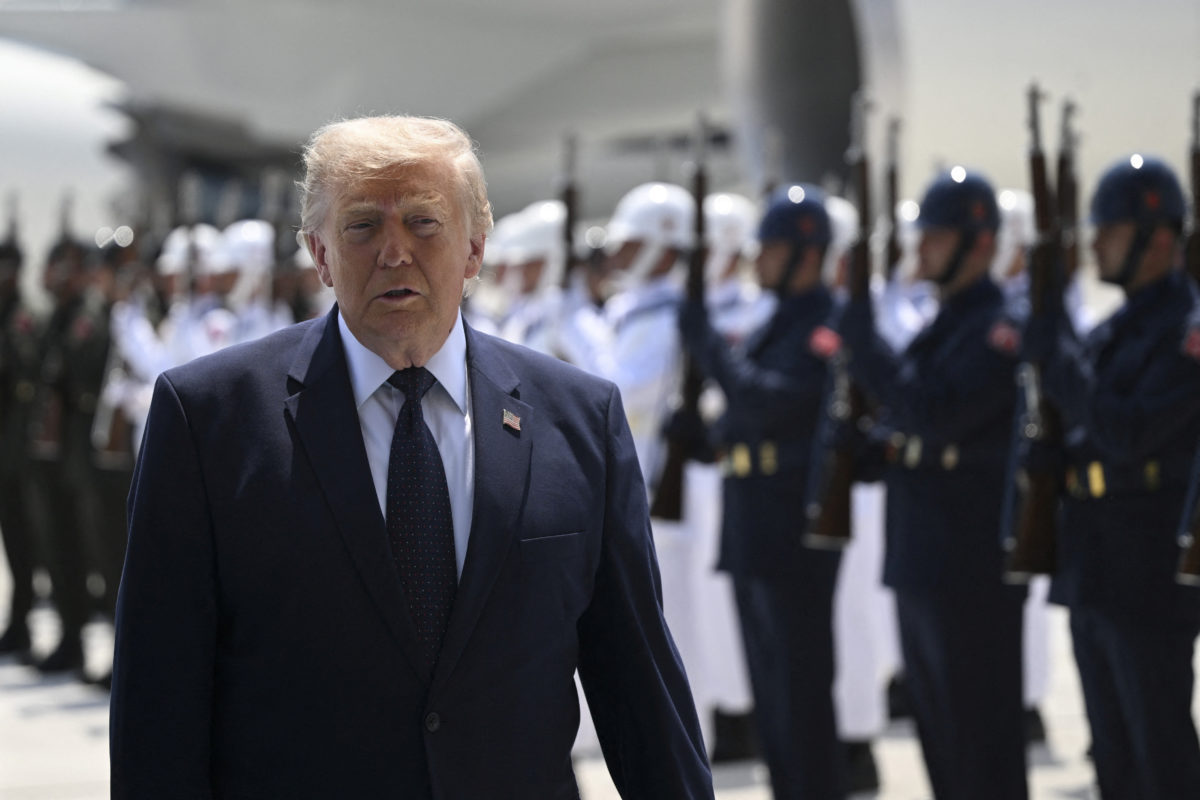
Tuesday, July 7, 2026
Ukraine hopes to sign ‘drone deals’ with seven Nato countries by end of year
Kyiv offers expertise on how to develop radar systems and ground stations as it turns from buyer to security provider…
https://www.theguardian.com/world/2026/jul/06/ukraine-drone-deals-seven-nato-countries-end-of-year

Friday, June 5, 2026
Pentagon likely to cancel missile sale to Germany over fears of Russia - POLITICO
U.S. officials fear Moscow will retaliate if the Trump administration follows through on the effort to deploy precision missiles in the middle of the continent, according to two European officials and one American official. But any decision not to deliver them would yank back a deal made during the Biden administration and leave Berlin without defenses German leaders say they desperately need.
https://www.politico.com/news/2026/06/04/us-germany-tomahawks-missiles-cancel-00950284
Sunday, April 26, 2026
Thursday, April 2, 2026
Trump says he is ‘absolutely’ considering withdrawing US from Nato
The president, a longtime critic of Nato, has stepped up his rhetoric after allies refused to join the US-Israel war on Iran…

Wednesday, April 1, 2026
Trump says Strait of Hormuz is the world’s problem: ‘Go get your own oil!’ - POLITICO
NATO partners, including the European Union, have largely refused to help secure the strait...
https://www.politico.com/news/2026/03/31/trump-strait-of-hormuz-oil-prices-00851611

Tuesday, March 17, 2026
European countries reject Trump’s call for help to reopen strait of Hormuz
Leaders seek a diplomatic solution despite US president's threat of 'a very bad future' for Nato unless it provides warships…
https://www.theguardian.com/world/2026/mar/16/europe-donald-trump-strait-hormuz-iran

Trump steps up pressure on European allies to help protect strait of Hormuz
US president says it is 'only appropriate' for Europe to help, and warns failure to do so would be 'very bad' for Nato…
https://www.theguardian.com/world/2026/mar/16/strait-of-hormuz-australia-japan-no-ships

Saturday, March 14, 2026
Carney joins European leaders in criticizing US easing of Russian oil sanctions - POLITICO
"The lifting of sanctions means that [Russia] will receive more money and there will be more drone attacks" in the Middle East, Zelenskyy said, standing alongside French President Emmanuel Macron in Paris...
Carney joins European leaders in criticizing US easing of Russian oil sanctions politico.com
Thursday, February 12, 2026
WELT: Without US backing, Europe would struggle to defend against a Russian invasion - POLITICO
"Russia could become even more dangerous to NATO after some sort of peace in Ukraine, especially if it's a bad peace, if it is a Ukrainian capitulation," Lungescu told WELT. She called the wargame "very realistic, unfortunately."…
https://www.politico.com/news/2026/02/11/welt-war-games-simulation-germany-00776446

Tuesday, January 27, 2026
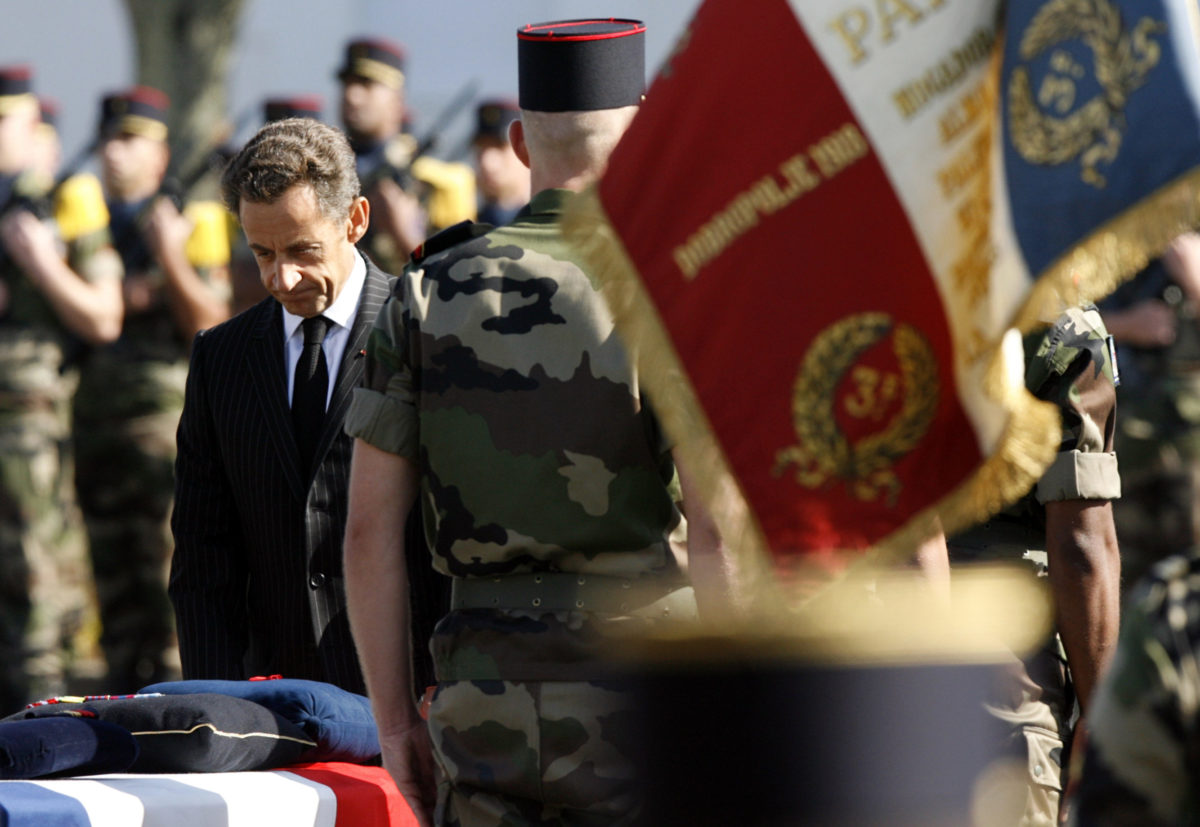
France honors soldiers who died in Afghanistan after Trump's false claim about NATO troops | PBS News
A senior French government official said Monday the memory of the French soldiers who died in Afghanistan should not be tarnished following U.S. President Donald Trump's false assertion that troops from non-U.S. NATO countries avoided the front line during that war...
Subscribe to:
Posts (Atom)

Click Older Posts above to see more.