As a medical procedure, abortion was widespread in Colonial and 18th-century America. By using more or less safe techniques, midwives and medical practitioners performed many types of operations on their patients. The woman could easily die, of course; but when she sought an abortion, no social, legal or religious force would have blocked her.
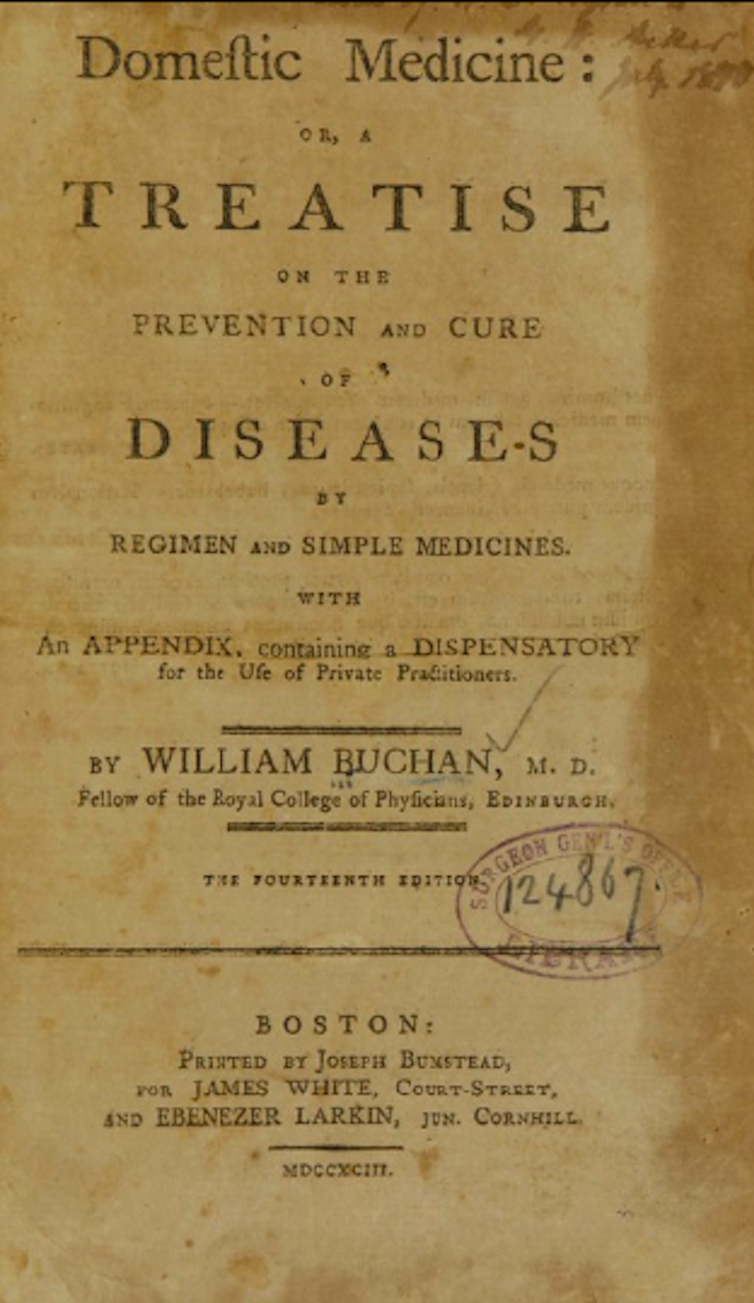
Also, a woman could choose from many available remedies rather than have an operation. Derived from juniper bushes, "savin," or Juniperus sabina, was one of the most popular abortifacients. Other herbs and concoctions were similarly taken: pennyroyal, tansy, ergot, Seneca snakeroot or cotton root bark.
Benjamin Franklin inserted an abortion recipe in a popular textbook he republished in Philadelphia in 1748. He didn't prompt any scandal…"


No comments:
Post a Comment